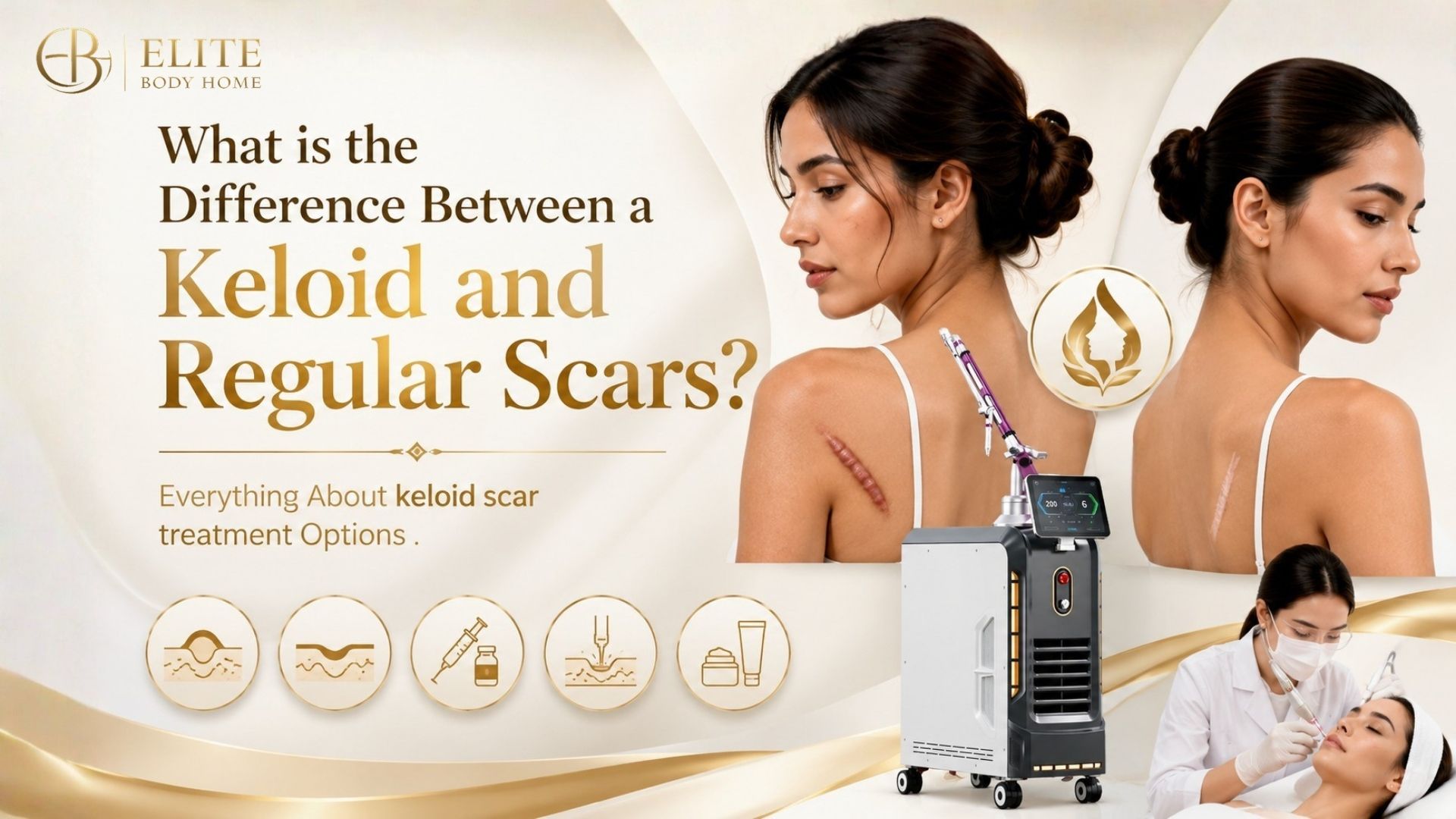
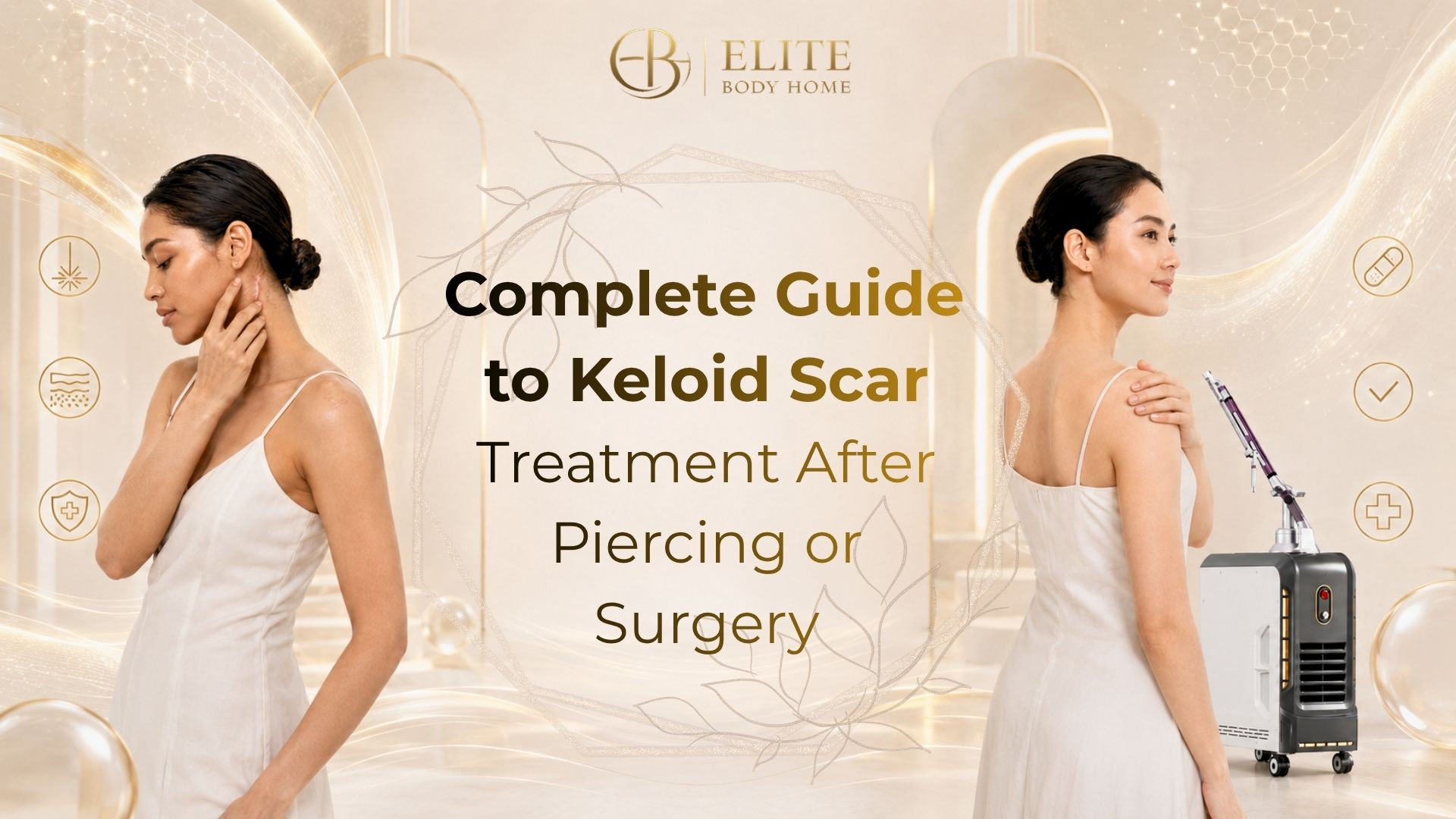
Complete Guide to Keloid Scar Treatment After Piercing or Surgery
Keloid Scar Treatment in Dubai
Healthy, smooth skin plays a significant role in self-confidence and overall appearance. However, the skin may face challenges during the healing process following injuries, surgical procedures, or even small cosmetic piercings. In some cases, the body's healing response becomes excessive, resulting in the formation of a keloid or keloid scar.
This comprehensive guide explores the causes of keloid formation, available treatment options, prevention strategies, and the latest medical approaches to keloid scar treatment based on current clinical practices.
What Is a Keloid?
A keloid is an abnormal type of scar that develops when the body produces excessive amounts of collagen during wound healing. Unlike normal scars, which gradually fade over time, a keloid scar continues to grow beyond the boundaries of the original injury.
Keloids can develop after:
A keloid scar may appear weeks or even months after the initial wound has healed.
Who Is More Likely to Develop Keloids?
Several factors increase the likelihood of developing a keloid scar:
Genetic Predisposition
Family history is one of the strongest risk factors. Individuals with close relatives who have experienced keloids are more likely to develop them themselves.
Skin Type
People with darker skin tones are more prone to developing a keloid, although it can occur in individuals of all skin types.
Age
Keloids most commonly develop between the ages of 10 and 30, when collagen production tends to be more active.
Previous Keloid Formation
Anyone who has developed a keloid scar in the past has a higher risk of developing another one after future injuries or procedures.
Why Do Keloids Form After Piercings?
Ear piercing is one of the most common causes of a keloid. Although the piercing wound is relatively small, constant irritation, jewelry friction, and minor infections can stimulate excessive collagen production. This process may lead to the formation of a firm, raised keloid scar around the piercing site.
The earlobes and cartilage areas are particularly susceptible to keloid formation.
Why Do Keloids Develop After Surgery?
Surgical procedures create intentional skin incisions that require extensive healing. During recovery, the body produces collagen to strengthen the wound. In some individuals, collagen production becomes excessive, resulting in a keloid scar.
Keloids are more likely to develop in areas subjected to tension and movement, including:
These areas experience ongoing stress that can stimulate abnormal scar growth.
Common Symptoms of a Keloid Scar
A keloid scar may present with several symptoms, including:
Some keloids become large enough to affect movement or create significant cosmetic concerns.
Is Keloid Scar Treatment Right for You?
Our DHA-certified doctors evaluate each case to ensure the safest and most effective results. You are an ideal candidate if you have:
- A scar continues growing after the wound has healed.
- The scar becomes painful or itchy.
- The scar affects your appearance or confidence.
- The lesion interferes with movement.
- You notice a new raised growth around a piercing or surgical site.
Early intervention often improves the success of keloid scar treatment and helps prevent further enlargement.
Available Options for Keloid Scar Treatment
There is no single universal approach to keloid scar treatment. The most appropriate method depends on the size, age, location, and severity of the scar.
Corticosteroid Injections
Corticosteroid injections are considered the first-line treatment for many keloids.
These injections help:
- Reduce inflammation
- Decrease collagen production
- Flatten the scar
- Relieve itching and discomfort
Multiple treatment sessions are usually required to achieve optimal results.
Silicone Gel and Silicone Sheets
Silicone-based products are widely used for both prevention and keloid scar treatment.
Benefits include:
- Improved hydration of the scar tissue
- Reduced collagen overproduction
- Improved scar texture
- Prevention of excessive scar growth
Silicone sheets are often recommended following surgery to minimize the risk of developing a keloid.
Pressure Therapy
Pressure earrings and compression garments may be used, particularly after ear keloid removal. Continuous pressure helps reduce blood supply to the scar tissue and decreases the likelihood of recurrence.
Laser Therapy
Laser treatment is frequently used to improve the appearance of a keloid scar. It is often combined with other keloid scar treatment methods for better outcomes.
Benefits include:
- Reduction of redness
- Improvement of texture
- Softening of scar tissue
- Enhanced cosmetic appearance
Cryotherapy
Cryotherapy involves freezing the keloid using liquid nitrogen. This treatment destroys abnormal scar tissue and is particularly effective for smaller keloids.
Benefits include:
- Reduction in scar size
- Improved scar texture
- Minimally invasive treatment approach
Several sessions may be necessary depending on the scar's size and thickness.
Injectable Medications
In addition to corticosteroids, physicians may use medications such as:
- 5-Fluorouracil (5-FU)
- Bleomycin
- Interferon-based therapies
These treatments can enhance the effectiveness of keloid scar treatment and reduce recurrence rates.
Superficial Radiation Therapy (SRT)
Used immediately post-surgery, our DHA-certified doctors apply SRT to destroy the overactive cells responsible for collagen overgrowth. This advanced clinical protocol targets the "root" of the scar, reducing the chance of keloid recurrence in stubborn cases to nearly zero.
Surgical Removal of Keloids
Surgical excision may be considered for large or resistant keloids.
However, surgery alone carries a significant risk of recurrence because the new incision can trigger additional scar formation.
For this reason, physicians often combine surgery with:
- Corticosteroid injections
- Radiation therapy
- Silicone therapy
- Pressure therapy
This combined approach offers the highest success rates in keloid scar treatment.
Can Keloids Come Back After Treatment?
One of the biggest challenges in keloid scar treatment is recurrence. Even after successful treatment, some keloids may return months or years later.
The risk of recurrence depends on:
- Scar location
- Scar size
- Genetic factors
- Treatment method used
- Adherence to post-treatment care
Following your physician's recommendations can significantly reduce recurrence rates.
How Can Keloids Be Prevented?
While prevention is not always possible, the following measures may reduce the risk of developing a keloid scar:
Why Choose Elite Body Home for Professional Keloid Treatment in Dubai?
At Elite Body Home, we combine advanced medical technology with a specialized approach to complex scar management. If you are seeking a permanent solution to persistent scarring, here is why we are the leading destination for keloid scar treatment in Dubai:
Over 25 Years of Clinical Expertise
Our DHA-certified specialists possess over two decades of experience in treating various skin types. We understand the biological complexity of keloids and provide customized protocols that go beyond standard surface treatments.
Multi-Modal Treatment Technologies
We utilize a sophisticated range of tools, including high-precision lasers, cryotherapy, and intralesional injections. By combining these methods, we target the keloid from multiple angles to ensure maximum flattening and relief.
Specialized Recurrence Prevention (SRT)
Unlike general clinics, we offer advanced solutions like Superficial Radiation Therapy (SRT) for stubborn cases. This medical protocol targets overactive cells post-surgery to reduce the chance of keloid regrowth to nearly zero.
Adherence to Global ISO Standards
Your safety is our priority. We strictly follow international ISO quality standards for clinical hygiene. Every procedure is conducted in a sterile, high-caliber environment to prevent inflammation—a key trigger for keloid growth.
Dermatological Precision & Assessment
We don’t just treat the scar; we analyze your skin’s healing patterns. Our experts provide a thorough clinical assessment to distinguish between hypertrophic scars and true keloids, ensuring you receive the correct medical intervention.
Aesthetic-First Approach to Healing
As the premier aesthetic clinic in Jumeirah, we focus on restoring your skin’s natural texture. Our "minimal-trauma" techniques are designed to soften and blend the scar into the surrounding tissue for a seamless result.
Verified Clinical Reputation
With over 1,200 authentic Google reviews and a 4.8-star average, our reputation is built on successfully managing difficult skin conditions that other clinics may avoid.
Comprehensive Aftercare & Support
Keloid management requires long-term commitment. We provide detailed medical guidance on pressure therapy, silicone application, and UV protection to ensure your results remain stable and flat.
Frequently Asked Questions About Keloid Scar Treatment in Dubai
1. What is keloid scar treatment?
Keloid scar treatment refers to a range of medical procedures designed to reduce the size, thickness, and appearance of a keloid scar.
2. Can keloid scar treatment permanently remove a keloid?
While keloid scar treatment can significantly improve the appearance of a keloid and flatten the scar, there is always a possibility of recurrence. Combining different treatment methods often provides the best long-term results.
3. Who is a good candidate for keloid scar treatment?
Anyone with a raised, thickened scar that extends beyond the original wound boundaries may benefit from keloid scar treatment.
4. Is keloid scar treatment painful?
Most keloid scar treatment procedures involve minimal discomfort. Some treatments may cause temporary mild pain or sensitivity, but these effects are generally well tolerated.
5. How long does it take to see results from keloid scar treatment?
Results vary depending on the type and severity of the keloid scar. Some patients notice improvements within a few weeks, while others may require multiple sessions over several months to achieve optimal results.
6. What is the best treatment for a keloid scar?
There is no single best option for every patient. The most effective keloid scar treatment often involves a personalized combination of therapies, such as steroid injections, laser treatment, silicone sheets, or surgery with follow-up care.
7. Can keloid scar treatment be used for scars caused by piercings?
Yes. Many patients seek keloid scar treatment for scars that develop after ear piercings, body piercings, or other minor skin injuries. Early treatment can help prevent the scar from becoming larger over time.
8. Are there any side effects of keloid scar treatment?
Potential side effects depend on the treatment method used. Temporary redness, swelling, skin sensitivity, or changes in skin pigmentation may occur, but these effects are usually mild and improve over time.
9. How can I prevent a keloid scar from returning after treatment?
Following your specialist's recommendations is essential. Preventive measures after keloid scar treatment may include silicone gel applications, pressure therapy, corticosteroid injections, and regular follow-up appointments.
10. When should I seek professional keloid scar treatment?
You should consider professional keloid scar treatment if the scar continues to grow, causes discomfort, itching, pain, restricts movement, or affects your confidence and quality of life. Early intervention often leads to better outcomes.